
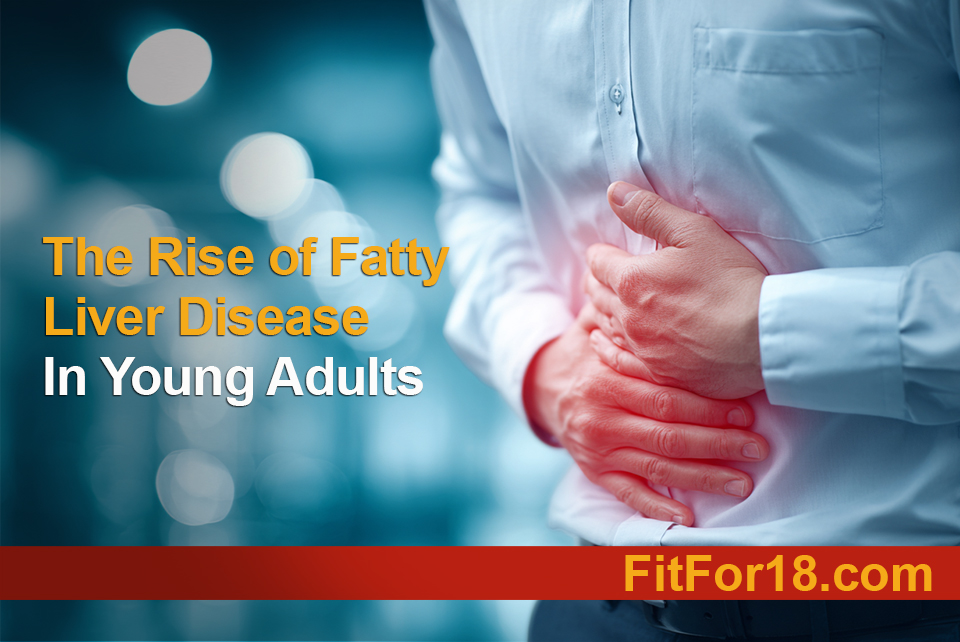
Imagine being told that your liver is quietly filling up with fat. No pain, no obvious warning signs, just a slow buildup happening deep inside your body. The harsh reality is that most young people diagnosed with fatty liver disease feel totally fine, and don’t feel any symptoms until liver disease reaches an advanced stage. Unfortunately, that’s the reality for a shocking number of young people today.
The Two Main Types of Liver Disease
Fatty liver disease occurs when too much fat builds up inside liver cells. The liver is one of the hardest-working organs in the body. It filters toxins, helps digest food, and regulates blood sugar. When it gets clogged with fat, it can’t do those jobs properly, and over time, the damage can become serious or even permanent. There are two main types of liver disease.
Metabolic-associated (MASLD, formerly NAFLD) is by far the most common in young adults, linked to lifestyle and metabolic health.
Alcohol-associated (ALD) is caused by heavy alcohol use, which is also rising among younger demographics.
Primary Causes Of Liver Disease in Young Adults

Diet
When it comes to liver disease, this is the biggest driver. Diets high in fructose (sugary drinks, processed foods), refined carbs, and saturated fats overwhelm the liver’s ability to process fat. Sugary sodas and juices are especially harmful. The liver converts excess fructose directly into fat. The liver starts storing what it can’t metabolize.
Insulin resistance & metabolic syndrome
When cells stop responding properly to insulin, the pancreas pumps out more, and excess insulin signals fat cells to dump fatty acids into the bloodstream; much of which lands in the liver. This is closely tied to obesity but can occur even in normal-weight individuals (called “lean NAFLD”).
Obesity Excess visceral fat
Visceral fat is fat around internal organs, which can be particularly harmful. It releases inflammatory chemicals and fatty acids directly into the portal vein, which feeds straight into the liver.

Sedentary lifestyle
Physical inactivity reduces the body’s ability to burn fat for fuel, leaving more of it to accumulate in the liver. Even without weight loss, exercise significantly reduces liver fat.
In some cases, sedentary lifestyles and bad eating habits can lead to child obesity, which can lead to fatty liver disease. Children with obesity have a 38% chance of developing fatty liver disease, and childhood obesity rates keep climbing.
Type 2 Diabetes & Pre-diabetes
Now increasingly diagnosed in young adults, T2D dramatically amplifies liver fat accumulation due to the insulin resistance component.
Ultra Processed Diets
Kids without reliable access to healthy food often rely on cheaper, processed options that are hard on the liver. Fast food, sugary drinks, and packaged snacks flood the liver with fats and sugars it can’t process fast enough.
Perhaps most surprisingly, fatty liver disease in children and young adults between the ages of 6 and 29 has increased by roughly 40% since the early 2000s, a timeframe that lines up closely with the rise of fast food, sugary drinks, and screen-heavy lifestyles.

Alcohol
Even moderate-to-heavy drinking in young adults directly impairs fat metabolism in the liver. It’s often underestimated as a cause in younger patients.
Genetics Variants
Genes like PNPLA3, TM6SF2, and MBOAT7 significantly increase susceptibility. This explains why some lean, apparently healthy young people still develop it.
Rapid weight changes
Crash dieting or rapid weight loss (paradoxically) can flood the liver with fatty acids, temporarily worsening liver fat.

Sleep Apnea
Increasingly common in younger overweight adults — the repeated drops in oxygen cause oxidative stress that damages the liver.
Liver Disease Numbers
The statistics around young people and fatty liver disease have stunned researchers around the world.
By 2021, an estimated 423 million young adults and adolescents worldwide were living with fatty liver disease — a staggering 75% increase from 1990. U.S. cases are forecast to climb from 83.1 million in 2015 to over 100 million by 2030.
Can Liver Disease Be Reversed?
The good news is yes! Here’s the part that should give everyone hope: unlike many diseases, fatty liver disease can often be reversed — especially when caught early. The liver is a remarkable organ. Given the right conditions, it can actually heal itself. Here are a few ways you can help reverse liver disease.
The Mediterranean Diet
Eating vegetables, whole grains, olive oil, fish, and nuts is the most recommended eating plan. Doctors even encourage olive oil and coffee daily for liver patients.
Cutting out Sugar and Refined Carbs
Sodas, white bread, pastries, and juice are among the worst foods for the liver.

Exercise
Just 30 minutes of moderate activity (walking, swimming, dancing) five days a week can meaningfully reduce liver fat.
Quality Sleep
Getting enough rest supports the body’s ability to regulate metabolism and reduce inflammation.
Cutting Out Alcohol
Even small amounts of alcohol worsen liver inflammation when fatty liver disease is present.
Start Making Life Changes Today
Fatty liver disease is largely reversible in its early stages, primarily through dietary changes, regular exercise, and addressing the underlying metabolic factors. If left untreated, fatty liver disease can lead to cirrhosis (severe permanent scarring of the liver), liver cancer, and organ failure. The life expectancy of people with fatty liver disease is 4 years lower than that of their peers in the U.S. Liver transplants among 18–34 year-olds more than doubled over the past decade.
The liver is capable of regenerating and recovering if healthy lifestyle changes are made.Exercise and diet changes can help result in remission of the disease. Doctors emphasize it’s not about perfection; it’s about consistent progress. Even small improvements in liver health count as a win.

Questions About Weight Loss or Fitness?
I'd be happy to help you on your path towards reaching your fitness goals!
RELATED BLOGS
Saturated Fats: The Real Culprit of High Cholesterol
Foods high in saturated fats that can raise your cholesterol.

How Peptides Help With Sleep and Energy
Looking for a good night’s rest? Peptides may be the answer for you.
How Peptides Can Help Sugar Levels And Diabetes
How peptides can help people with diabetes keep their sugar levels in a healthy range.

Why Peptides Are a Safer, Smarter Choice Than Ozempic
Ozempic may be the latest crazy, but is it safe? Here is why peptides may be a better alternative.
How Low Progesterone Affects Body Weight
How low levels of progesterone can significantly impact body weight.
How Cortisol Affects Body Weight
The physical effects of cortisol and its influence on body weight.
Iron Deficiency Causes, Symptoms, and How Your Diet Can Help!
Understanding iron deficiency and how your diet can help.

Get Moving: Top 5 Physical Activities For a Vibrant Retirement
A list of the top five physical activities that are perfect for retirees.

Losing Weight After Menopause
The challenges of losing weight after menopause and how to boost your chances of weight loss.
Weight Loss Guide for Those with Thyroid Disorders
Lifestyle choices that support weight loss and the well-being for those with thyroid challenges.